Megan’s story: “I was not asked for consent I was just told it was happening”
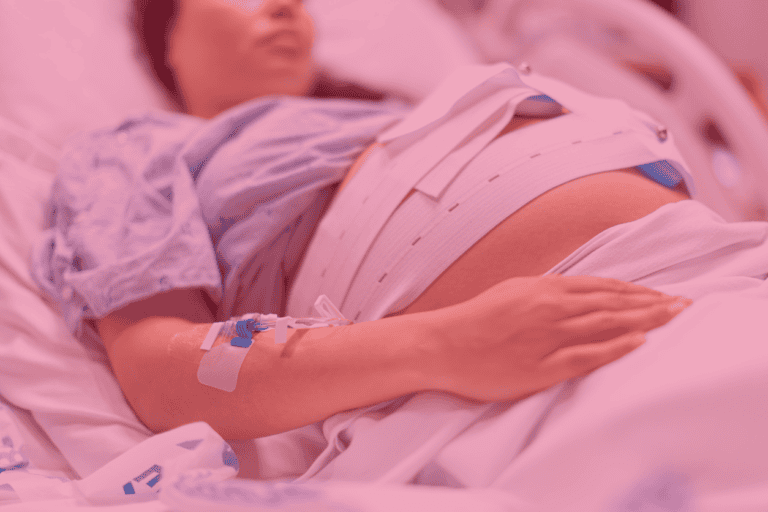
Megan is a mother of five. Here she looks back at her experiences of coercion during maternity and labour…

Protecting human rights in childbirth
Registered Charity Number 1151152
Longer reads, analysis and your stories
Megan is a mother of five. Here she looks back at her experiences of coercion during maternity and labour…
CP v Spain: Why a major European court ruling on maternity care is a wake-up call for bodily autonomy rights
Sarah knows only too well the long-term impacts that can happen as a result of birth trauma. Her experience of being coerced into a caesarean birth (her second) not only affected her mental health but robbed her of the redemptive birth experience she was hoping for. Here is her story…
Lucy* has had two babies and two very different birth experiences. Here in her own words, she talk about the coercion she experienced with her first baby…
In a landmark ruling, the Supreme Court of Victoria has found an Australian hospital guilty of battery and negligence for pressuring a woman to accept a vaginal exam in labour that she did not want. She received damages totalling nearly AUS$300k. So how is this case relevant to the UK?
When talking about supporting informed decision-making in maternity, the consent form is a topic that comes up time and again. We are aware that, as part of a broader trend towards defensive practice, some trusts have been increasing their use of consent forms, in the (mistaken) belief that they offer a cloak of legal protection.
Experienced mum Hannah* tells us about the coercion she faced in the lead up to giving birth to her third child.
Birthrights has been informed by our CRM provider, Beacon, of a security incident that may have affected information held on its platform.
Birthrights’ Training Manager, Farah Lodhi, shares her reflections and learnings from our Leeds Community Conversation.
For years, Tiffany has been suffering the long-term effects from extreme vaginal tearing during her first birth. Here, in her own words, she explains some of the coercion she faced during the birth and immediate aftermath…